
Nigeria

Nigeria News

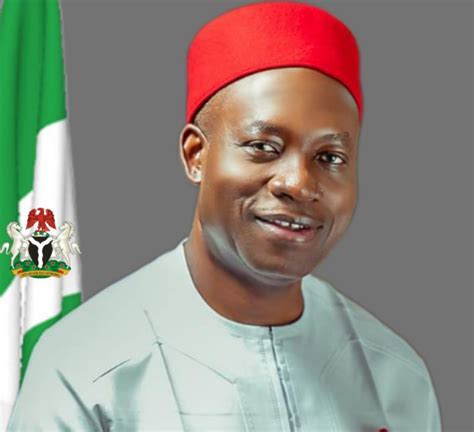
Governor Soludo Bans Public Preaching in Anambra State, Imposes N500,000 Fine
9th March, 2025 at 06:06
By Our Reporter

Onitsha, Anambra State – March 9, 2025

In a bold move to curb noise pollution and restore public order, Anambra State Governor, Professor Charles Chukwuma Soludo, has officially banned loud preaching i

...

Onitsha, Anambra State – March 9, 2025

In a bold move to curb noise pollution and restore public order, Anambra State Governor, Professor Charles Chukwuma Soludo, has officially banned loud preaching in public spaces, including streets and markets across the state. The announcement, made on Saturday, March 8, 2025, comes with a stern warning that violators will face a hefty fine of ?500,000, signaling a crackdown on what the governor described as disruptive practices by roadside preachers.

The decision was spotlighted in a viral video circulating on social media, where Governor Soludo was seen confronting an unidentified preacher at a market, believed to be Ochanja Market in Onitsha. Addressing traders and passersby, the governor emphasized that public spaces are not platforms for unsolicited preaching. “If you want to preach the word of God, go to your church. You cannot come to a marketplace and disturb everyone,” Soludo stated, adding, “You are causing noise pollution here. Those who want to listen will come to you; you cannot force people in the market to hear your message.”

The governor’s stance is part of a broader initiative to regulate noise levels and maintain a conducive environment for business and daily life in Anambra. He noted that the use of loudspeakers in markets has been outlawed due to its adverse effects on residents’ well-being, stating, “We have banned loudspeakers in markets due to noise pollution, which affects people’s eardrums.” Soludo also hinted at a wider clampdown on “fake pastors and prophets,” accusing some of exploiting religion for personal gain while disregarding public welfare.

The enforcement of this policy follows reports of Soludo intercepting a roadside preacher during a transit through Onitsha on Saturday, where he reiterated that such activities are now illegal. “You are violating the law. You cannot take over a public space and turn it into a church,” he warned, underscoring that freedom of worship does not extend to disrupting others.

Reactions to the ban have been mixed. Traders at Ochanja Market expressed relief, with some describing the constant preaching as “noise terrorism” that hampers their business activities. However, religious groups and street preachers have voiced concerns, arguing that the measure infringes on their rights to evangelize. Critics from traditional and religious backgrounds have also accused the governor of bias, though Soludo has maintained that the policy is about public order, not religious suppression.

This latest action aligns with Soludo’s ongoing efforts to sanitize Anambra’s public spaces, including his recent campaigns against insecurity and illicit drug markets. As the state government rolls out enforcement measures, residents are watching closely to see how this ban will reshape the soundscape of Anambra’s bustling streets and markets.

The governor’s administration has yet to release an official statement detailing the implementation process, but the N500,000 fine and potential arrests loom large for those who defy the new order. For now, Anambra’s public spaces are set to become quieter—if the governor’s directive holds firm.

Armed Herdsmen Causing Unrest at Oluyole Federal Constituency, Oyo State

8th March, 2025 at 17:22
By Our Reporter


As of today, March 08, 2025, recent reports indicate that armed herdsmen have caused significant unrest in the Oluyole Federal Constituency of Oyo State, Nigeria, threatening the safety and livelihoo

...


As of today, March 08, 2025, recent reports indicate that armed herdsmen have caused significant unrest in the Oluyole Federal Constituency of Oyo State, Nigeria, threatening the safety and livelihoods of local residents. Tolulope Akande-Sadipe, a member of the House of Representatives representing the constituency, has publicly raised the alarm about the escalating situation, particularly in communities such as Ogunmakin and the Gambari Reserve area.
According to statements from Akande-Sadipe, the herdsmen, described as heavily armed with weapons like guns and cutlasses, have invaded these areas, instilling fear among residents. They are accused of deliberately destroying farm produce and intimidating local farmers, actions that she suggests may be part of a broader agenda to disrupt the region’s agricultural stability. The lawmaker highlighted the severity of the situation in a motion of Urgent Public Importance presented earlier this week on the floor of the House, emphasizing the potential for a humanitarian and food security crisis if the invasions persist.
Reports indicate that the armed herdsmen have effectively taken over parts of Ogunmakin and surrounding communities, leaving residents in a state of panic. Akande-Sadipe has called for immediate action, urging the federal government and security agencies to intervene swiftly. She has proposed an on-the-spot assessment of the affected areas, an investigation into the reported intimidation and destruction, and the arrest and prosecution of perpetrators to deter further attacks. Additionally, she stressed the need for collaboration with the Oyo State Government, security forces, and community leaders to develop sustainable solutions to the crisis.
The situation has drawn attention to the broader issue of insecurity in the region, with Akande-Sadipe warning that without prompt intervention, the residents of her constituency risk being "completely wiped out from their ancestral homes." This development echoes similar incidents in other parts of Nigeria, where clashes between herdsmen and local communities have led to significant loss of life and property, though specific casualty figures from this particular incident remain unreported as of now.
The news has sparked concern among observers, with calls for both federal and state authorities to address the root causes of such conflicts and ensure the protection of vulnerable communities in Oyo State. The situation remains fluid, with further updates expected as authorities respond to the lawmaker’s pleas for action.


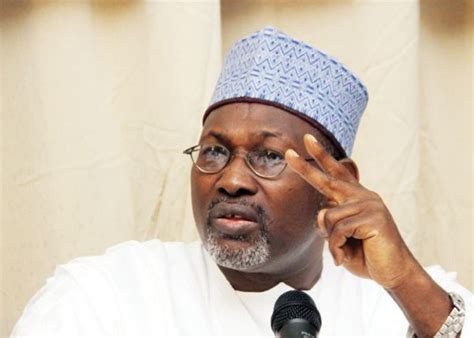
President Bola Tinubu Appoints Professor Attahiru Jega as Presidential Adviser and Coordinator of Presidential Livestock Reforms
8th March, 2025 at 07:48
By Our Reporter
Abuja, Nigeria – March 8, 2025 – In a significant move to address Nigeria’s longstanding challenges in the livestock sector, President Bola Ahmed Tinubu has appointed Professor Attahiru Muhammadu Jega
...
Abuja, Nigeria – March 8, 2025 – In a significant move to address Nigeria’s longstanding challenges in the livestock sector, President Bola Ahmed Tinubu has appointed Professor Attahiru Muhammadu Jega as the Presidential Adviser and Coordinator of Presidential Livestock Reforms. The announcement, made late Friday, March 7, 2025, by Bayo Onanuga, the Special Adviser to the President on Information and Strategy, underscores the administration’s commitment to modernizing Nigeria’s agricultural framework and resolving the persistent farmer-herder conflicts that have plagued the nation for decades.
A Strategic Appointment
Professor Jega, a renowned Nigerian academic and former Chairman of the Independent National Electoral Commission (INEC) from 2010 to 2015, brings a wealth of experience in governance, policy implementation, and institutional reform to this new role. At 68, Jega is widely respected for overseeing the credible 2015 general elections, which marked a pivotal moment in Nigeria’s democratic history. His appointment signals a deliberate effort by President Tinubu to leverage Jega’s expertise in tackling one of the country’s most pressing socio-economic issues.
The announcement came via a statement from Onanuga, who posted on X at 21:04 WAT on March 7: “President Bola Tinubu appoints Professor Attahiru Jega as Presidential Adviser and Coordinator of Presidential Livestock Reforms.” The statement emphasized that Jega’s role is intended to “drive meaningful progress in the livestock sector and further strengthen national development efforts.”
Background and Context
Jega’s appointment builds on his prior involvement with the Presidential Livestock Reforms Committee, which he co-chaired alongside President Tinubu. Established in 2024, the committee was tasked with addressing obstacles to agricultural productivity and creating opportunities across the livestock value chain—spanning farmers, herders, processors, and distributors. On September 28, 2024, Jega presented a comprehensive 152-page report to the President, outlining actionable recommendations to modernize the sector and mitigate conflicts between farmers and nomadic herders.
One of the committee’s flagship proposals was the creation of a dedicated Ministry of Livestock Development, a recommendation that Tinubu acted upon in July 2024. The ministry, now operational with a minister in place, aims to provide sector-specific solutions to reduce violence, boost productivity, and transform livestock farming into a commercialized industry. Jega’s new role as Presidential Adviser and Coordinator will see him oversee the implementation of these reforms, ensuring continuity and momentum.
Jega’s Vision for Livestock Reform
During a stakeholders’ workshop in Abuja last year, Jega articulated a pragmatic approach to the livestock crisis. He argued that both ranching and open grazing could coexist in the short term, provided there is sufficient awareness and infrastructure to transition fully to ranching over time. “It would be counterproductive to immediately stop open grazing as a traditional method of pastoralism,” he noted, highlighting the need for a phased strategy that balances cultural practices with modern demands.
The reforms under Jega’s purview are expected to focus on several key areas:
  • Conflict Resolution: Reducing the decades-long clashes between farmers and herders, which have claimed thousands of lives and displaced communities, particularly in the Middle Belt and northern regions.
  • Infrastructure Development: Enhancing facilities for ranching, veterinary services, and cross-breeding to improve livestock yields.
  • Economic Growth: Positioning the livestock sector as a viable contributor to Nigeria’s GDP, attracting foreign investment, and creating jobs.
  • Sustainability: Promoting environmentally friendly practices to address overgrazing and land degradation.
President Tinubu has repeatedly emphasized the economic potential of the sector. In 2024, he lamented Nigeria’s neglect of commercial livestock farming, noting that the country could have reaped significant benefits had it prioritized the industry earlier. With Jega at the helm, the administration hopes to turn this vision into reality.
Public and Political Reactions
The appointment has elicited a mix of optimism, skepticism, and debate across Nigeria, as reflected in posts on X and media coverage. Supporters view Jega as a credible figure whose track record in electoral reform bodes well for tackling the complex livestock challenge. A post from
@Engr_Abdulmalik
at 21:47 WAT on March 7 hailed it as “BREAKING NEWS,” signaling enthusiasm for the move. Similarly,
@MobilePunch
at 03:20 WAT on March 8 framed it as a strategic step to bolster national development.
However, critics question the prioritization of livestock reforms amid Nigeria’s broader crises—economic stagnation, insecurity, and recurrent power outages, including the national grid collapse on March 7 that lost over 2,000 megawatts. A sarcastic post from
@RetroDropKing
at 22:27 WAT on March 7 quipped, “So Tinubu looked at Nigeria’s collapsing economy, failing power sector, insecurity, and skyrocketing cost of living… and decided that what we really need is a Presidential Livestock Reforms coordinator?” The sentiment underscores a broader frustration with the government’s focus, though it does not detract from Jega’s personal credibility.
Jega’s Profile: A Man of Many Roles
Born in 1957, Attahiru Jega is a professor of political science with a distinguished career in academia and public service. He served as Vice-Chancellor of Bayero University, Kano, and currently holds the position of Pro-Chancellor and Chairman of the Governing Council at Sa’adatu Rimi University of Education in Kano State. Internationally, he is a member of the Elections Advisory Council, reflecting his global stature in governance.
His tenure at INEC from 2010 to 2015 was marked by significant electoral reforms, including the introduction of biometric voter registration, which enhanced transparency. While his leadership was not without controversy—particularly over logistical challenges in the 2011 elections—his reputation for integrity and competence remains intact.
Implications and Next Steps
Jega’s appointment comes at a critical juncture. On the same day as the announcement, Nigeria grappled with a national grid collapse and the aftermath of a Nigerian Air Force attack on Ikeja Electric’s facilities, highlighting the interconnected nature of the country’s challenges. While the livestock sector may seem niche, its reform could have ripple effects—reducing rural violence, stabilizing food security, and boosting rural economies.
The federal government has pledged to remove legal and logistical barriers to the reforms, with the Attorney-General, Lateef Fagbemi, tasked with streamlining regulations. Meanwhile, Jega will work closely with the Ministry of Livestock Development, state governors, and private sector stakeholders to implement the committee’s recommendations.
As of 07:40 AM WAT on Saturday, March 8, 2025, no official statement from Jega himself has been released, but his acceptance of the role is confirmed. Nigerians now await concrete timelines and measurable outcomes, with hopes that this appointment will translate into tangible progress rather than remain another bureaucratic gesture.
Conclusion
President Tinubu’s decision to tap Professor Attahiru Jega as Presidential Adviser and Coordinator of Presidential Livestock Reforms reflects a blend of ambition and pragmatism. For a nation weary of unfulfilled promises, Jega’s involvement offers a glimmer of hope—rooted in his proven ability to navigate complex systems. Whether this move will silence critics or deliver the promised transformation remains to be seen, but it undeniably marks a bold step toward redefining Nigeria’s agricultural future.

Nigeria Plunged into Darkness Again as National Grid Loses Over 2,000 Megawatts Amid Federal Condemnation of Air Force Attack on Ikeja Electric

8th March, 2025 at 06:51
By Our Reporter

Lagos, Nigeria – March 8, 2025 – Many parts of Nigeria were thrust into darkness once again on Friday, March 7, 2025, as the national power grid suffered a significant collapse, losing over 2,000 mega

...

Lagos, Nigeria – March 8, 2025 – Many parts of Nigeria were thrust into darkness once again on Friday, March 7, 2025, as the national power grid suffered a significant collapse, losing over 2,000 megawatts of electricity. This marks the second major power supply disturbance of the year, exacerbating the country’s chronic energy woes. The grid failure coincided with a stern condemnation from the federal government regarding a violent incident the previous day, where personnel from the Nigerian Air Force attacked the headquarters and facilities of the Ikeja Electric Distribution Company (IKEDC) in Lagos, leaving several people injured and critical equipment vandalized.

National Grid Collapse: A Recurring Nightmare
The latest grid collapse occurred on Friday, though exact details of the timing remain unclear as the Transmission Company of Nigeria (TCN) has yet to release an official statement. Preliminary reports suggest that power generation plummeted from a peak above 2,000 megawatts to near-zero levels, disrupting electricity supply across multiple states. This incident follows a similar collapse on February 12, 2025, when generation dropped from 2,111.01 megawatts to 390.20 megawatts, according to Sahara Reporters. That event, also confirmed by Ikeja Electric and other distribution companies, was the first grid failure of the year.
Posts on X and prior news reports indicate widespread frustration among Nigerians, with some users noting that this is at least the 14th grid collapse in the past 14 months. The nation’s grid, despite an installed capacity of 13,500 megawatts, rarely distributes more than a third of that due to aging infrastructure, vandalism, and systemic inefficiencies. The frequent outages have forced households and businesses to rely heavily on costly diesel and petrol generators, a burden worsened by rising fuel prices since the removal of subsidies in 2023.
Energy analysts point to multiple factors behind the collapses, including underinvestment in transmission lines, attacks on infrastructure—particularly in the northern regions—and an imbalance between power generation and demand. Just weeks ago, on February 12, Ikeja Electric reported a system outage at 11:34 AM WAT, with restoration efforts ongoing in collaboration with stakeholders. Yesterday’s event suggests that these efforts have yet to yield lasting stability.
Federal Government Condemns Air Force Attack on Ikeja Electric
Adding a dramatic twist to the energy crisis, the federal government issued a strong rebuke on Friday over an incident that unfolded the previous day, Thursday, March 6. Personnel from the Nigerian Air Force stormed the headquarters of Ikeja Electric in Lagos, reportedly in retaliation for the disconnection of power to an Air Force facility due to unpaid electricity bills. The attack left workers and journalists injured, with facilities vandalized and equipment damaged, further threatening the region’s fragile power distribution network.
The Minister of Power, Adebayo Adelabu, described the assault as “unfortunate and a matter of grave concern,” emphasizing its detrimental impact on an already strained power sector. In a statement echoed by Punch Newspapers on X at 21:04 WAT on March 7, Adelabu said, “The attack on the facilities of Ikeja Electric, one of our nation’s critical power distribution companies, by the Nigerian Air Force is totally condemned.” Posts on X from users like
@ayotem4real
at 16:44 WAT on March 6 detailed the chaos, alleging that the Air Force personnel engaged in “vandalising, kidnapping, and destroying public properties,” calling for resistance against such actions.
The incident has sparked outrage among citizens and energy stakeholders, with many questioning the military’s response to a routine billing dispute. Ikeja Electric, one of the largest distribution companies serving Lagos and its environs, has not yet quantified the full extent of the damage, but the attack could delay restoration efforts following the grid collapse. The federal government has promised a thorough investigation, though no timeline for accountability or reparations has been specified.
A Nation in Crisis: Power and Security Collide
Friday’s dual crises—the grid collapse and the fallout from the Air Force attack—underscore Nigeria’s intertwined challenges of energy reliability and institutional dysfunction. The loss of over 2,000 megawatts comes at a time when the country is grappling with economic pressures and public discontent over inconsistent power supply. Businesses, already reeling from high operational costs, face yet another setback, while households endure prolonged blackouts.
The timing of the grid failure, on the same day as the government’s condemnation, raises questions about potential links between the attack and the power disruption, though no evidence currently supports this speculation. Analysts suggest that the damaged equipment at Ikeja Electric’s facilities could have compounded the grid’s instability, but the TCN will need to clarify the precise cause once investigations are complete.
Public Reaction and the Road Ahead
Sentiment on X reflects a mix of exhaustion and anger. Nigerians have long criticized the government and power sector stakeholders for failing to deliver on promises of reform, such as Adelabu’s ambitious pledge last year to achieve 6,000 megawatts by the end of 2024—a target that remains elusive. The privatization of the power sector in 2013, intended to improve efficiency, has instead left the nation stuck at around 4,000–5,000 megawatts for decades, a stark contrast to South Africa’s 40,000 megawatts for a population half Nigeria’s size.
As restoration efforts begin, distribution companies like Ikeja Electric and others are likely working with TCN to bring power back online, though no official updates were available by 06:46 AM WAT on Saturday, March 8. The federal government faces mounting pressure to address both the immediate crisis and the deeper systemic issues, including securing infrastructure, resolving payment disputes without violence, and investing in a grid that can withstand the demands of over 200 million people.
For now, Nigerians brace for more uncertainty, caught between the darkness of a faltering grid and the turbulence of a nation struggling to power its future.